6x6 Medium Format Precision: The Hasselblad 500C/M
By Sven Lindqvist, Chief Optical Engineer at Scenewonderstack
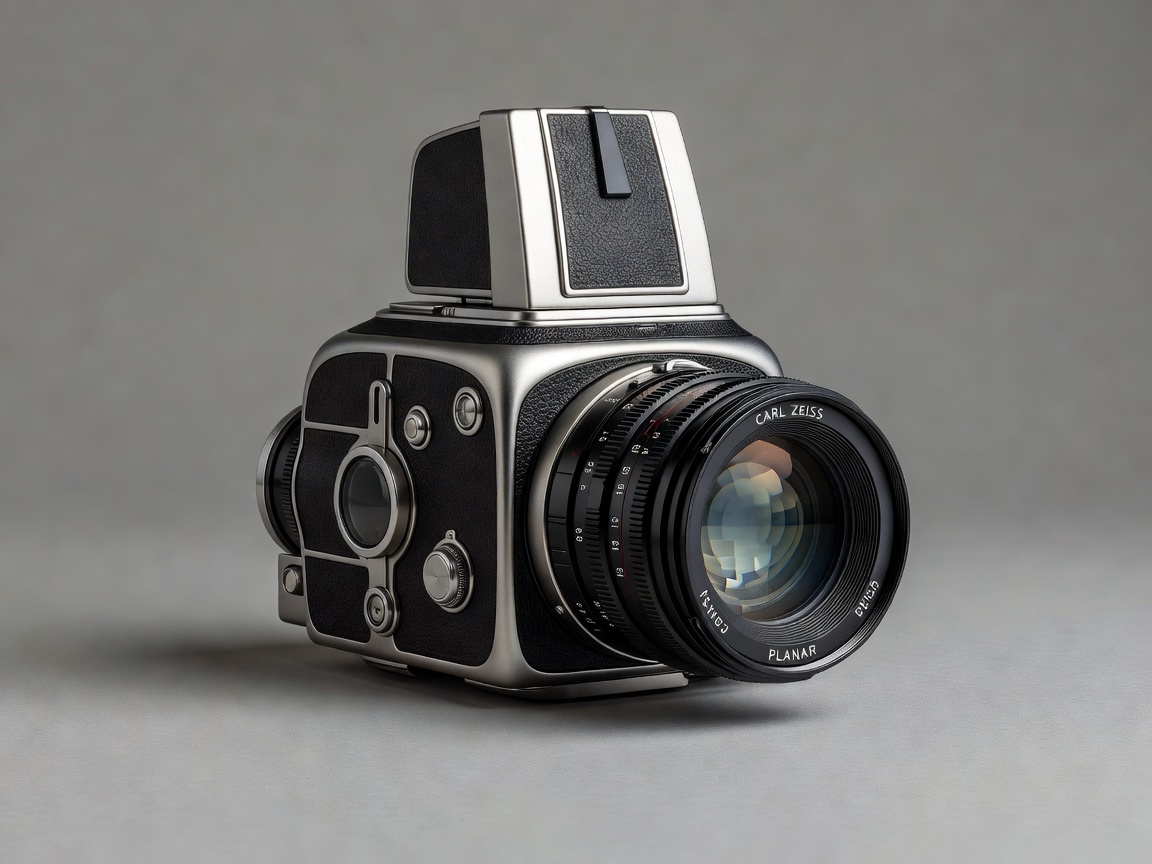
The Hasselblad 500C/M, released in 1970 as a refinement of Victor Hasselblad's original 500C design, stands as one of the most versatile mechanical camera systems in history. Its modular architecture consists of four distinct components: the central housing, interchangeable focusing screen, removable film magazine (such as the A12 back), and leaf-shutter Zeiss lenses.
Leaf Shutters & Flash Synchronization
Because the Synchro-Compur shutter is located inside each individual C or CF series lens rather than in the camera body, flash synchronization is achieved across every shutter speed setting from 1 second up to 1/500s. This key technical advantage made the 500C/M the gold standard for commercial studio lighting and daylight fill flash portraits throughout the late 20th century.
Handling & Winding Operations
Operating a Hasselblad requires strict adherence to mechanical sequence: always cock the camera mechanism and lens shutter simultaneously using the side crank before attaching or removing lenses. Attempting to mount an uncocked lens onto an uncocked body can jam the auxiliary shutter doors situated behind the mirror box.
For official system blueprints and historical archives, reference Hasselblad Official Website.